
Musée de l'Orangerie
If you have a special love for impressionist works of art, especially Monet, Musée de l'Orangerie is a must see
There are many wonderful art museums located in and around Paris but if you have a special love for impressionist and post impressionist works then you should most definitely do everything you can to include the Musée de l'Orangerie on your itinerary.
Located in the Place de la Concorde in Paris, the museum houses an impressive collection of works from Monet in the form of no less than eight of the famed Water Lilies collection as well as works by artists such as Paul Cezanne, Henri Matisse, Pablo Picasso, Henri Rousseau, Pierre Auguste Renoir, Alfred Sisley and many others.
The gallery is located along the banks of the Seine River in the old orangery of the Tuileries Palace which is situated on the Place de la Concorde which is conveniently located near to the Concorde Metro station. The museum building was originally built in 1852 by famed architect Firmin Bourgeois. It is interesting to note that the original intention of the building was to provide shelter to the orange trees of the Tuileries garden. Throughout its history the building was used for many different purposes including housing soldiers as well as hosting various sporting and cultural events, music concerts and even events of patriotism.
The Musée de l'Orangerie is most famously known for being the place where one can view the entire collection of Monet's Water Lilies known as the Nympheas. The story is that Monet had agreed to donate the entire collection of eight Water Lilies panels to the French government and they were to be housed in the Musée de l'Orangerie. The ground floor of the building was in fact redesigned specifically for this purpose but after completion of the renovations to the building Monet could not bear to be parted from these works and it was only after his death in 1926 that they could be displayed in the museum. Such dedication and love of the work should be enough to entice anyone to go see the collection.
Nearby attractions: Jardin des Tuileries, Musée d'Orsay and Musée des Beaux Arts
Facts For Your Visit
Fee: Yes, except free on the first Sunday of every month.Musée de l'Orangerie Hours:
Opening hours may differ on holidays
- Monday: 9:00 AM – 6:00 PM
- Tuesday: Closed
- Wednesday: 9:00 AM – 6:00 PM
- Thursday: 9:00 AM – 6:00 PM
- Friday: 9:00 AM – 6:00 PM
- Saturday: 9:00 AM – 6:00 PM
- Sunday: 9:00 AM – 6:00 PM
Address: Jardin des Tuileries, 75001 Paris, France
Phone: 01 44 50 43 00
Official Website: Musée de l'Orangerie
Musée de l'Orangerie Reviews
Rated out of 5
 Visiting the Musée de l’Orangerie was one of the highlights of my time in Paris. The museum is relatively small compared with some of the city’s other major museums, but that actually makes the experience feel much more intimate, peaceful, and enjoyable. It is especially famous for Claude Monet’s Water Lilies, and seeing these paintings in person was genuinely unforgettable. The oval rooms dedicated to Monet are beautifully designed and allow you to experience the paintings in a completely different way from seeing them in photographs. The enormous panels surround you, and the soft natural lighting creates a calm atmosphere that makes it easy to spend a long time simply looking at the details. The scale and colors of the paintings are much more impressive in person. I also really enjoyed the museum’s wider collection, particularly the works from the early 20th century. There is a wonderful selection of artists and styles, and the exhibition spaces are thoughtfully arranged without feeling overwhelming. I appreciated that the museum gives you enough space to properly take in each artwork rather than rushing from one room to another. The location is another major advantage. Being right beside the Jardin des Tuileries makes it easy to combine the museum visit with a walk through one of the most beautiful gardens in Paris. Overall, I would definitely recommend Musée de l’Orangerie, especially to anyone interested in Impressionism, Monet, or modern European art. Even if you only have a limited amount of time in Paris, this is a museum I would make an effort to visit. A beautiful, memorable, and surprisingly peaceful cultural experience in the heart of the city.
Irmak - 2 weeks ago
 This is located in the Toulerie Garden. The Monet paintings were so impressive. He did these near the end of his life. Giverny, Monet’s home Giverney, is a nice combination with a visit to the L’Orangerie to see the studio where the paintings were done and the water lilies that inspired him. There are other paintings in their collection. Picasso, Renoir, Modigliani to name a few. An hour or so is all you need. I bought the timed tickets ahead of time on their official site.
Bowmanlaurapiper - 3 weeks ago
Loved the collection, water lilies… museum added descriptions for kids to some of the works, amazing. Do not hesitate to bring kids, as it is a perfect introduction to museums and art… there is even an art room for the little ones. One of my favourite Paris museums.
Haris Ceric - 2 weeks ago
A small museum which is easy to fit into a packed day. There’s lots of beautiful artwork downstairs in addition to the water lilies and only took us around an hour to cover.
We waited for 40 minutes to get inside at around 1pm on a Wednesday so getting tickets in advance is recommended.
We got the combined Orsay and Orangerie tickets which can only be bought in person for €20 per adult and was a great value for money. They also sell other combined tickets at a lower price of you’re considering doing multiple museums.
The water lilies are breathtaking I’d wait that long to see them again, a must do if you’re in Paris!
Aaliyah - a month ago
 Cozy Museum.
We went to this museum during our trip in Paris. It is a smaller museum. Although it was a Sunday(7/26); we arrived around 10:30am. The line wasn’t bad really long & we didn’t have a ticket. We were in line for an hour.
Once we were inside, we were able to see paintings by Monet, Rousseau etc. The museum only has two floors & it took us only an hour to see everything. I did enjoy the wall paintings of Monet.
FYI: I would recommend buying tickets in advance from the museum site with the time for entrance. While waiting in line, saw people with tickets from other vendors without the time & they send them to our line. It is as if one doesn’t have a ticket if purchased from a third party vendor smh.
Cozy Museum.
We went to this museum during our trip in Paris. It is a smaller museum. Although it was a Sunday(7/26); we arrived around 10:30am. The line wasn’t bad really long & we didn’t have a ticket. We were in line for an hour.
Once we were inside, we were able to see paintings by Monet, Rousseau etc. The museum only has two floors & it took us only an hour to see everything. I did enjoy the wall paintings of Monet.
FYI: I would recommend buying tickets in advance from the museum site with the time for entrance. While waiting in line, saw people with tickets from other vendors without the time & they send them to our line. It is as if one doesn’t have a ticket if purchased from a third party vendor smh.
Kellie P - 2 months ago

Directions
| Metro / RER Line | Nearest Station | Walking Time |
|---|---|---|
| M1, M8 or M12 | Concorde Station | 4 minutes |
How to get to Musée de l'Orangerie by Metro / RER
By Metro: Exit Metro Line 1,8 or 12 at Concorde Station and walk south along the eastern edge of Place de la Concorde to the museum entrance on your left at the far end.
Map & Instant Route Finder
Click&Go Map and Route Finder with public transit, walking, driving or cycling directions. Get up-to-the-minute transit times for your route.
Accommodations near Musée de l'Orangerie:
Photo Gallery
-
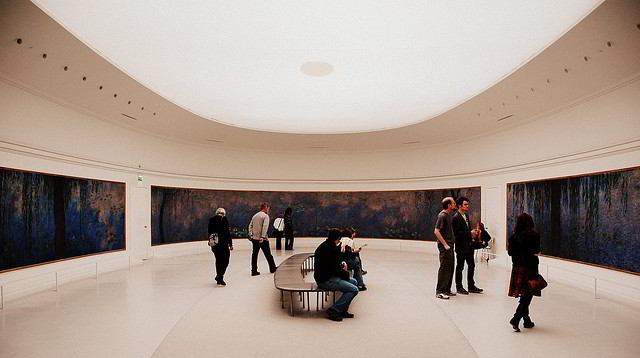
Viewing paintings by Monet inside the Musée de l'Orangeriein cc licensed photo by Allie_Caulfield -
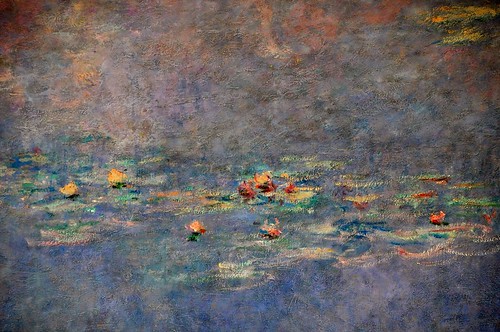
Photo Credit: liakada-web - cc license via Flickr -
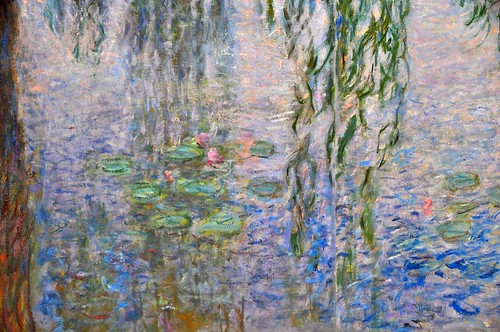
Photo Credit: liakada-web - cc license via Flickr -
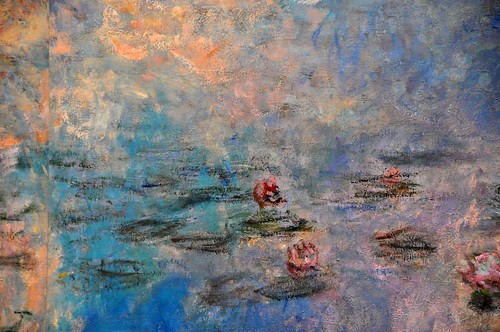
Photo Credit: liakada-web - cc license via Flickr -
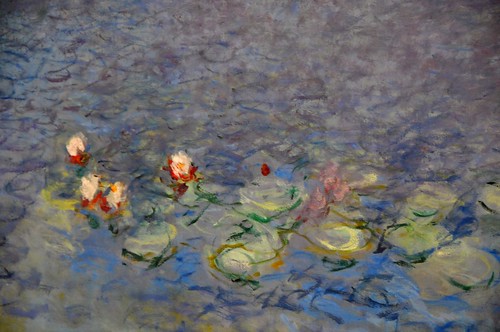
Photo Credit: liakada-web - cc license via Flickr -

Photo Credit: liakada-web - cc license via Flickr -
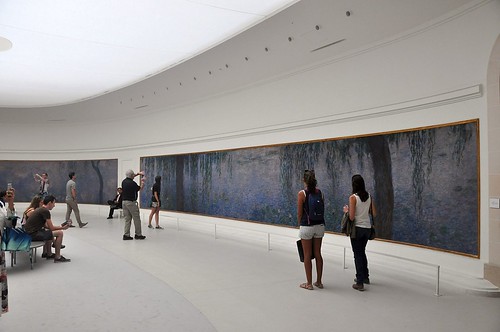
Photo Credit: liakada-web - cc license via Flickr -
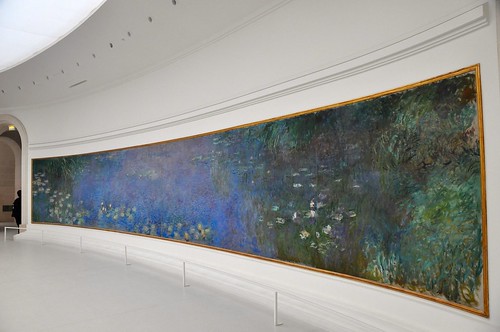
Photo Credit: liakada-web - cc license via Flickr -
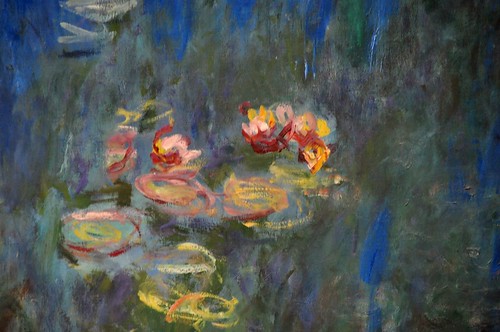
Photo Credit: liakada-web - cc license via Flickr -
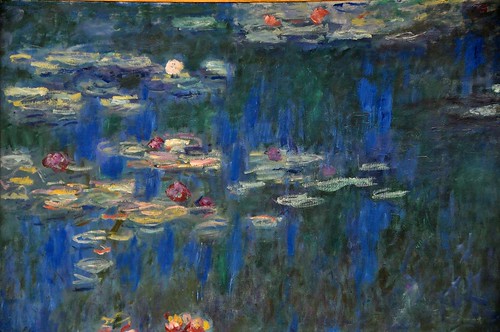
Photo Credit: liakada-web - cc license via Flickr
